남겨진 햇살과 바람에 실린 그늘
The Leftover Sunlight and the Shade Carried by the Wind
The Leftover Sunlight and the Shade Carried by the Wind
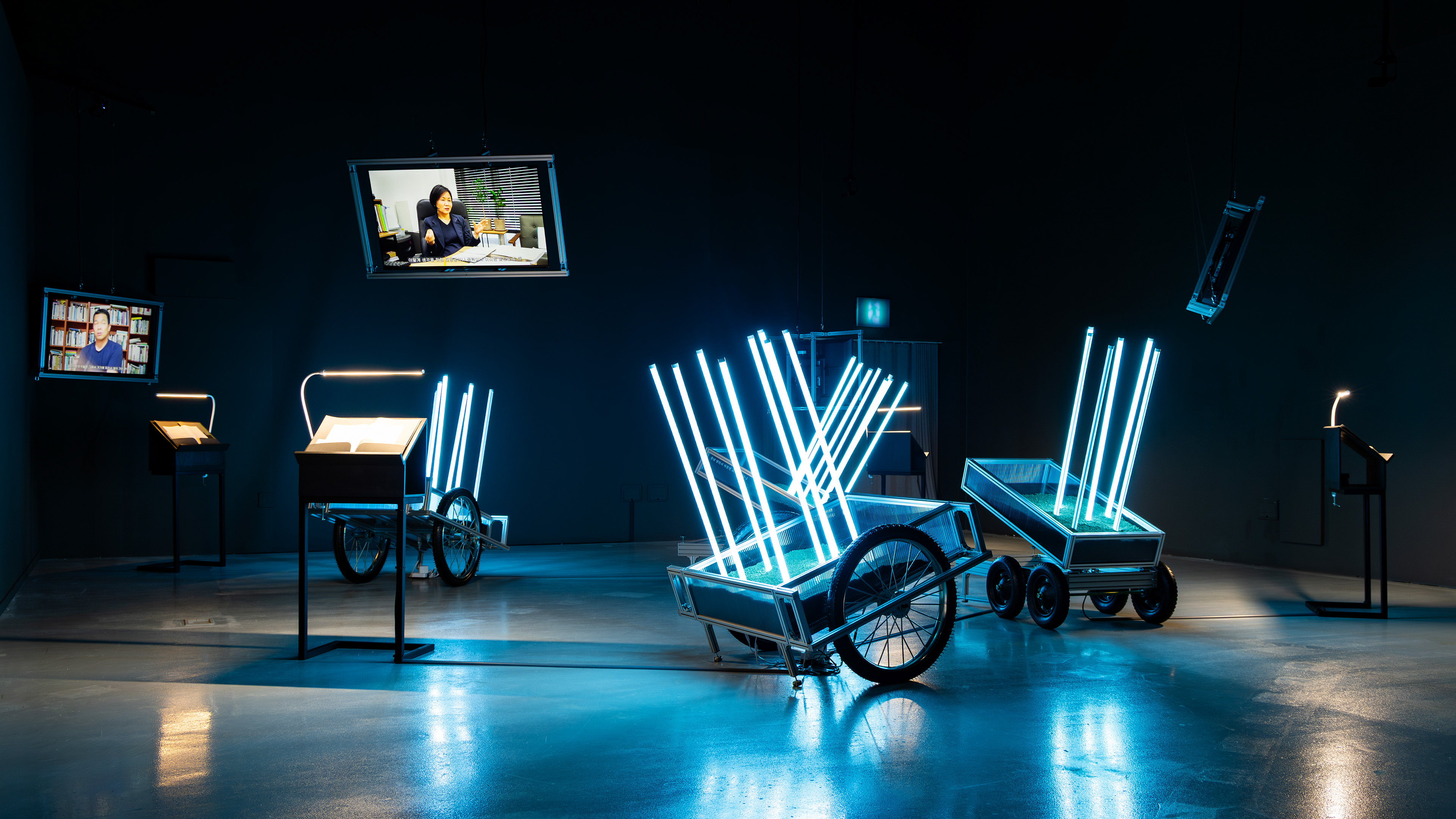
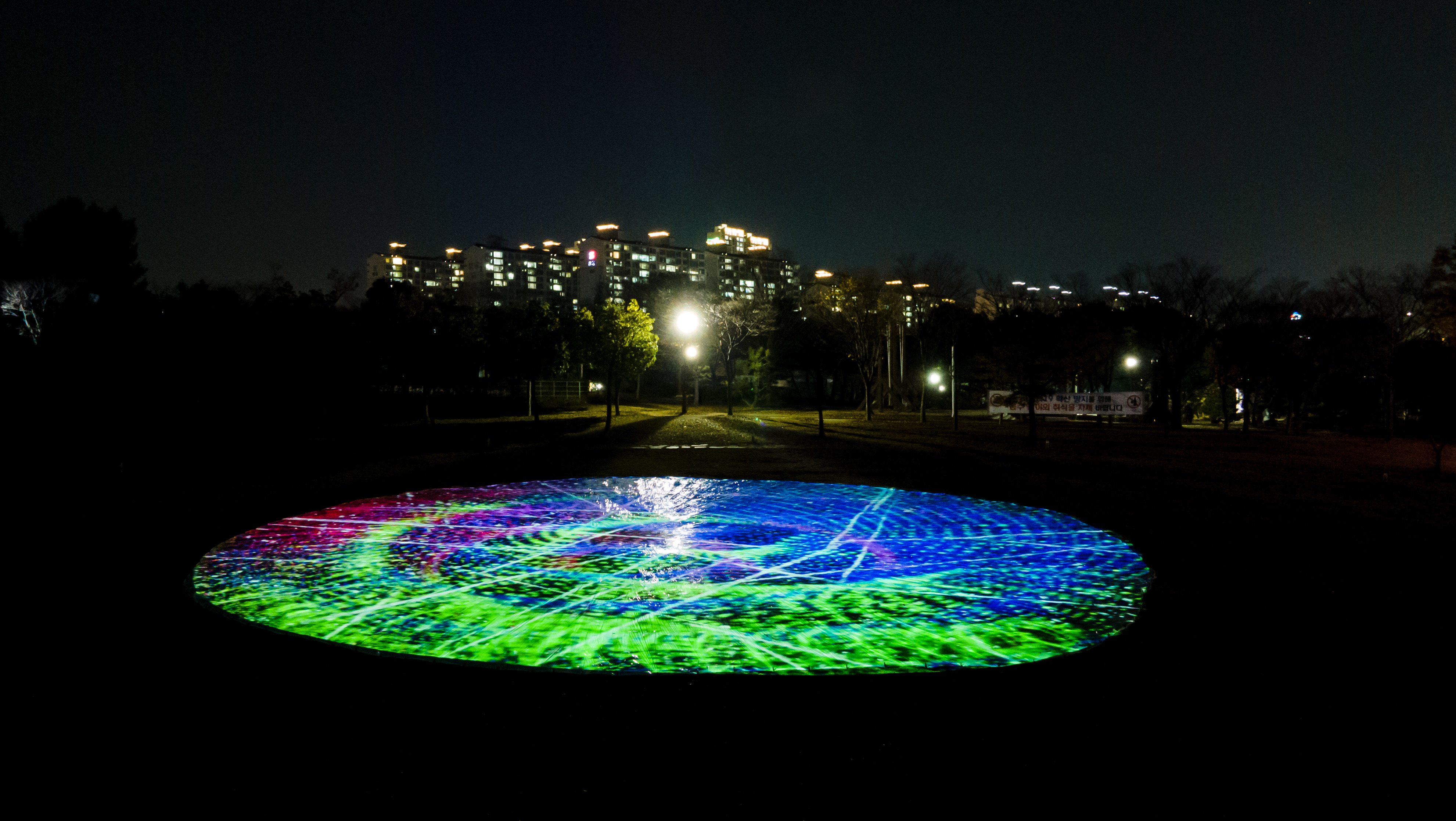
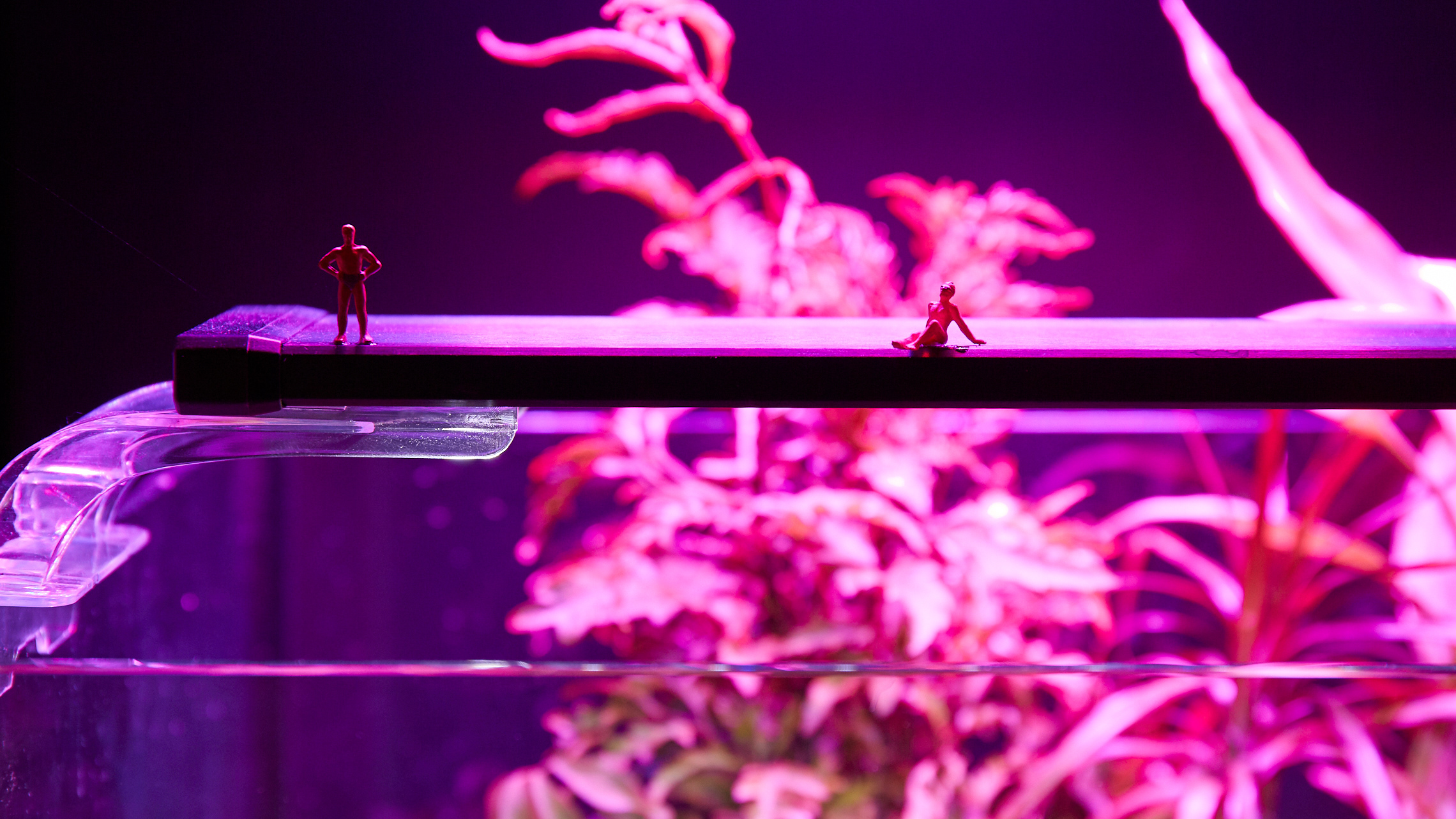
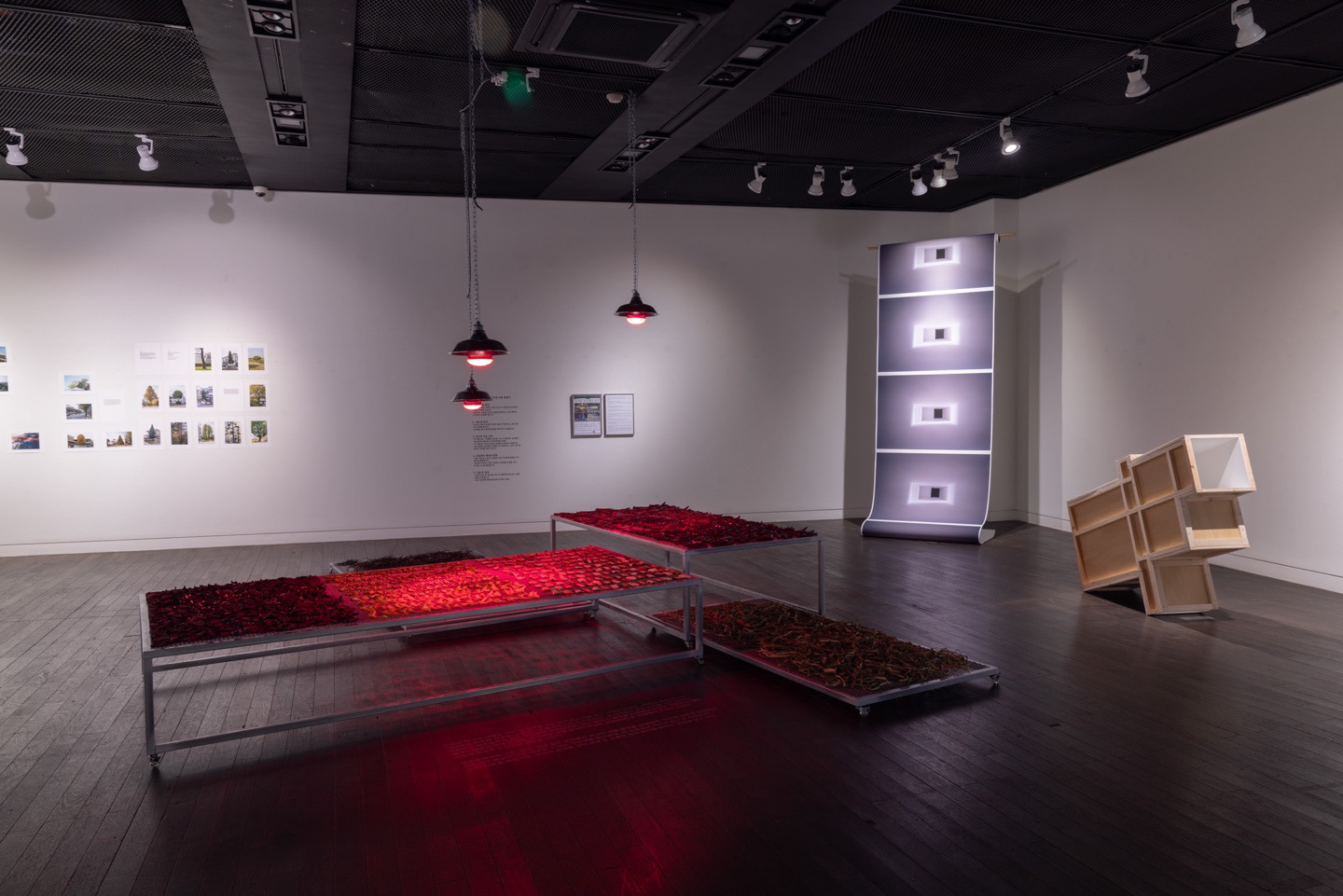
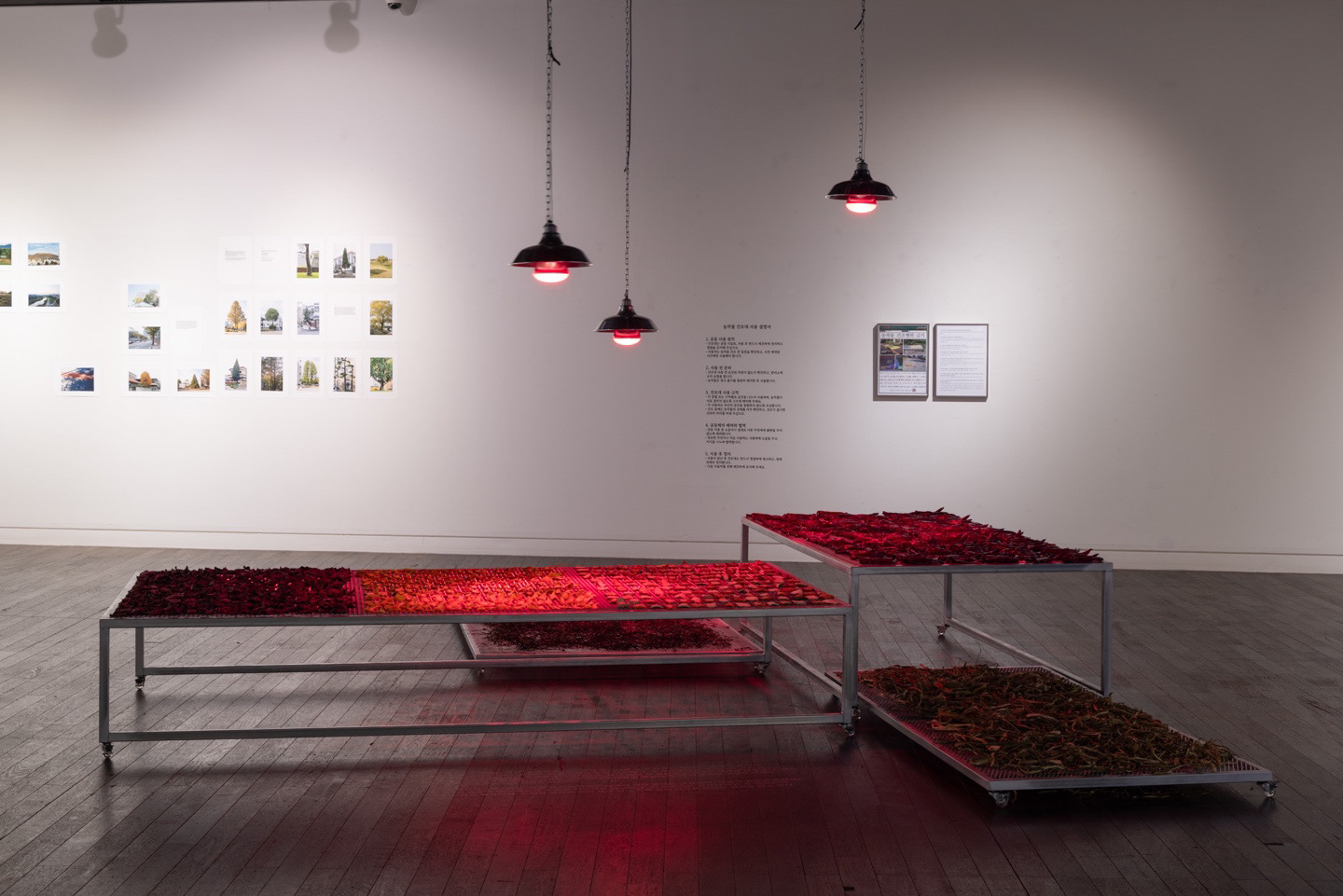
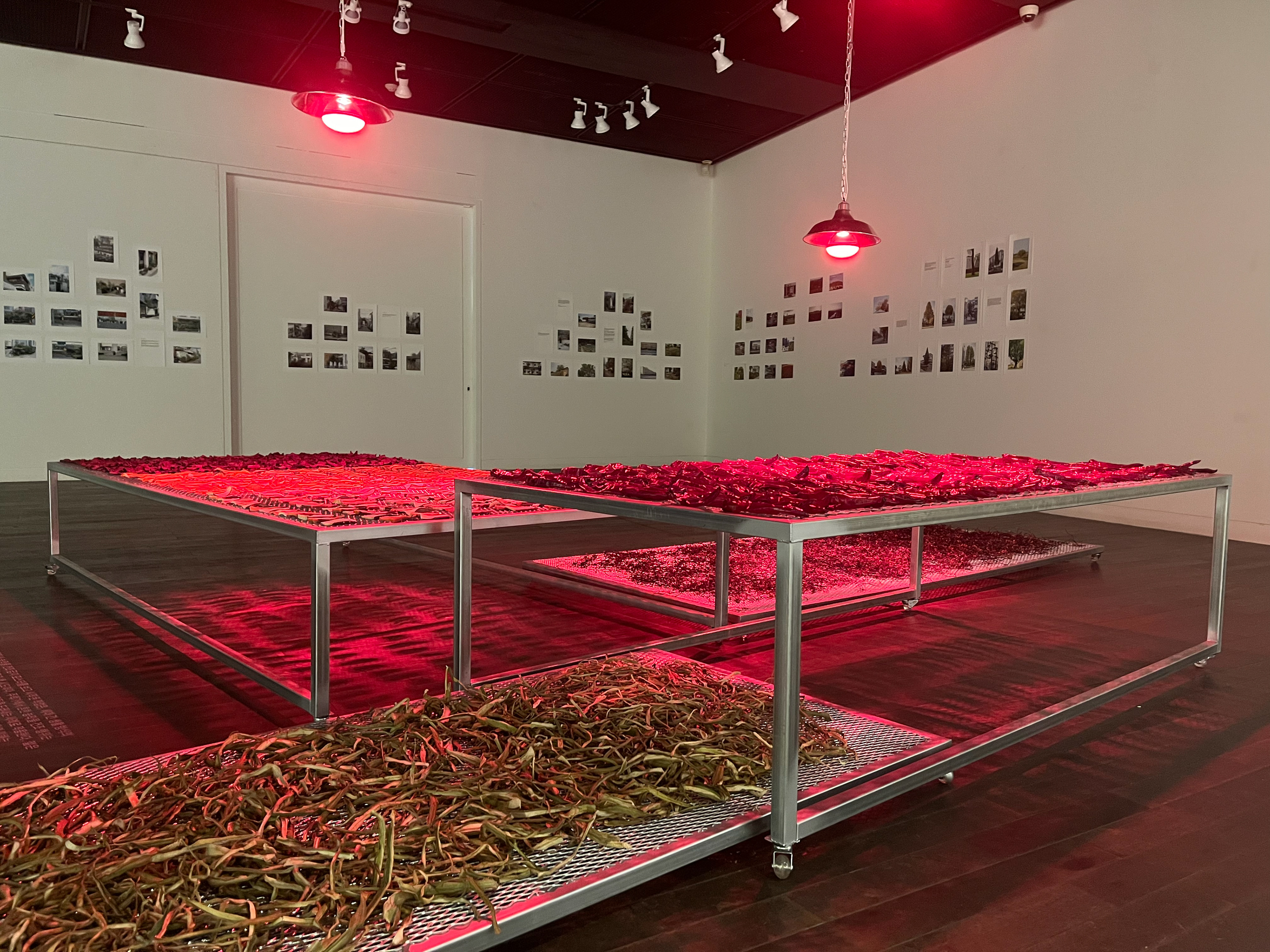
Mixed media, Installation_2024
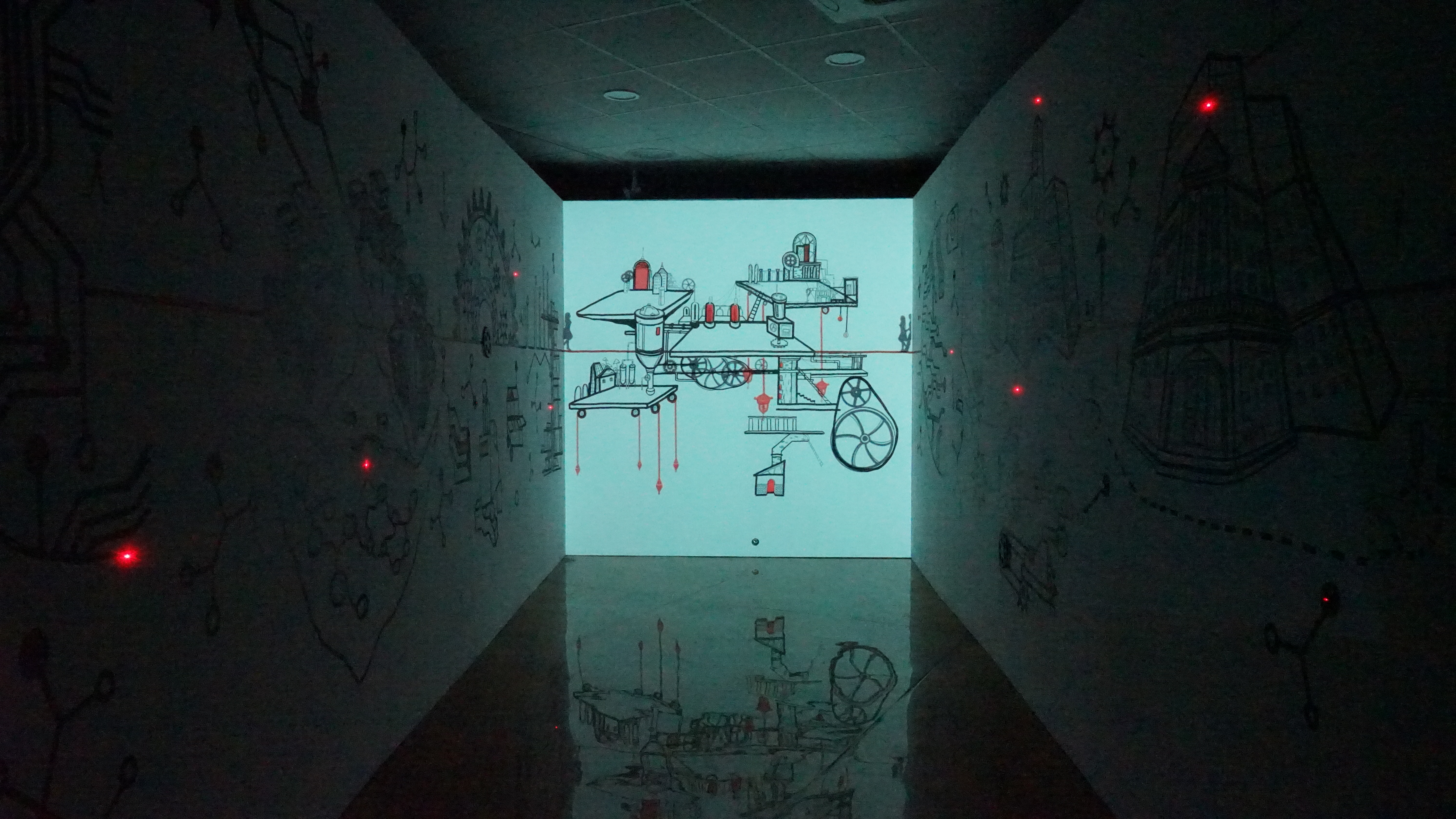
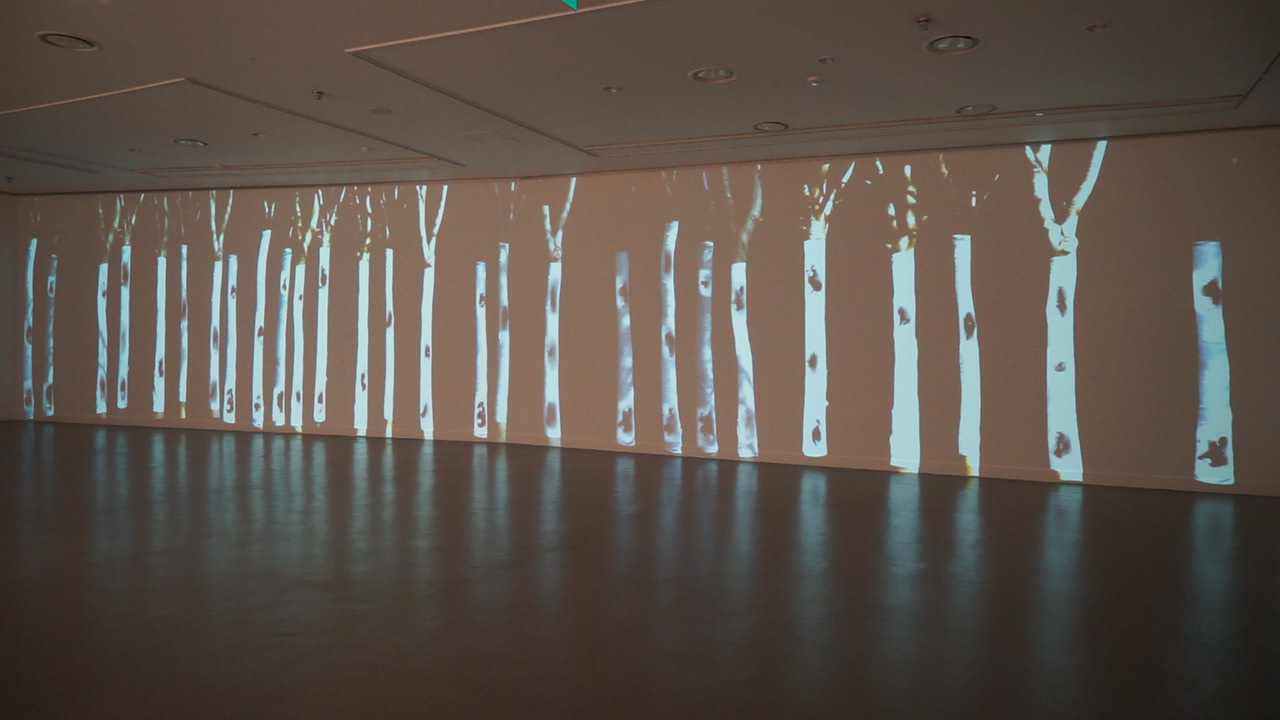
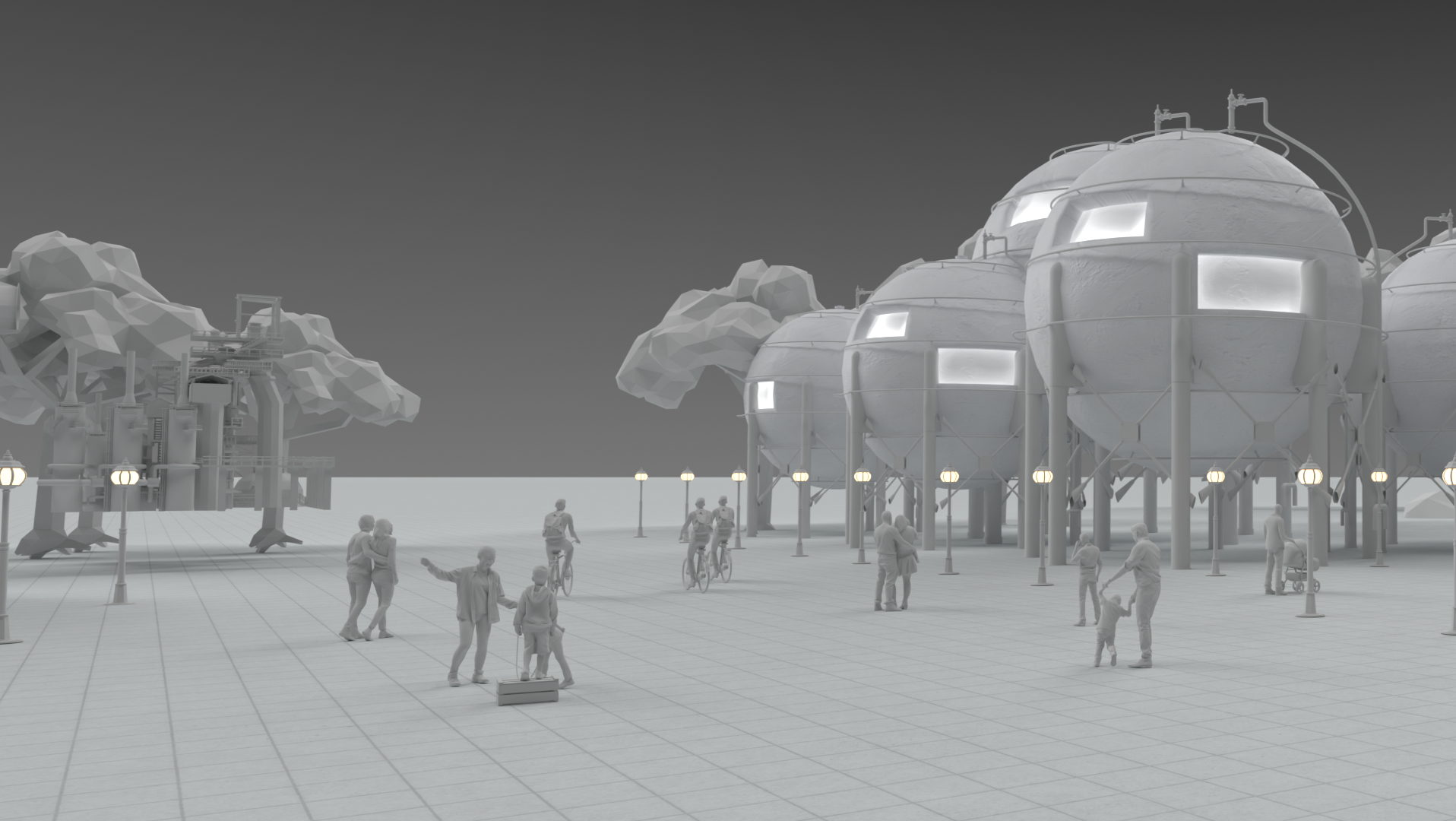
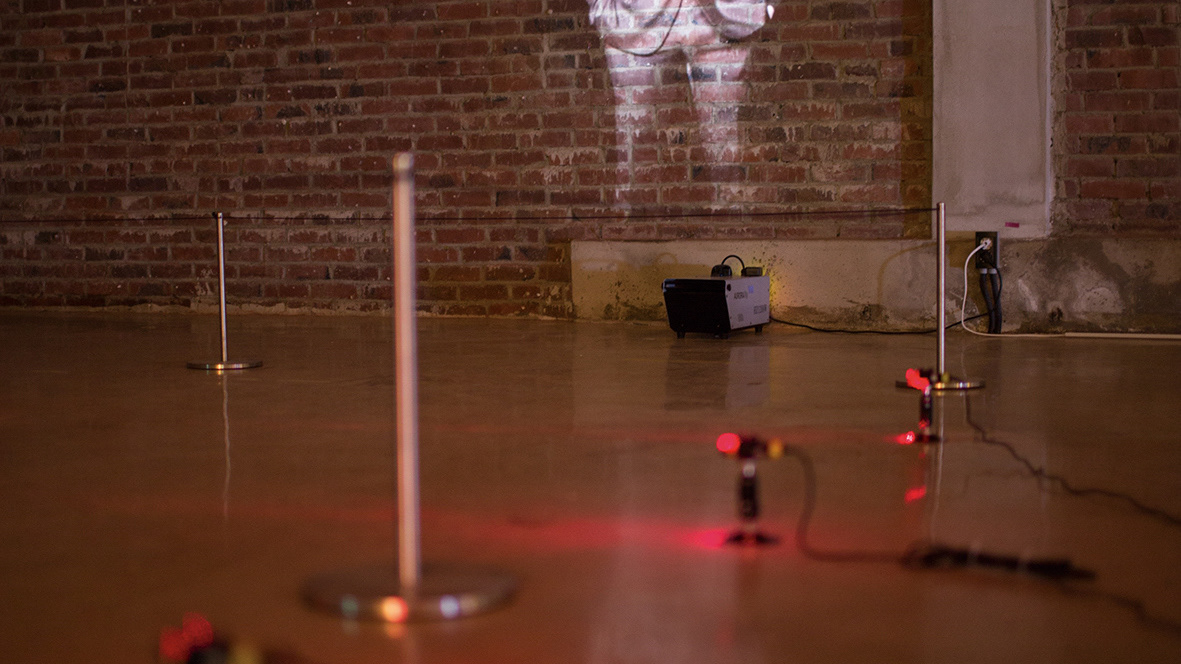
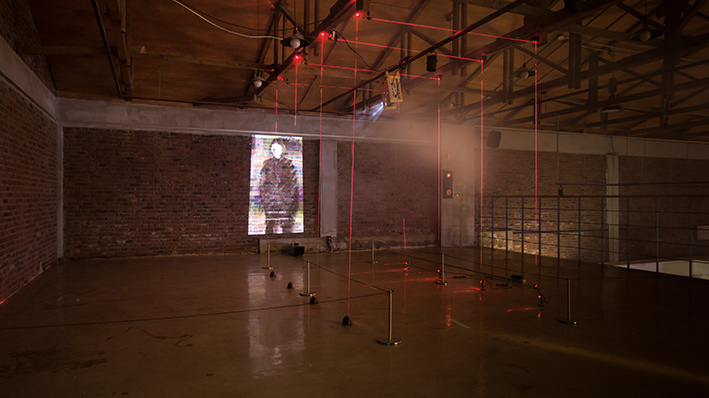
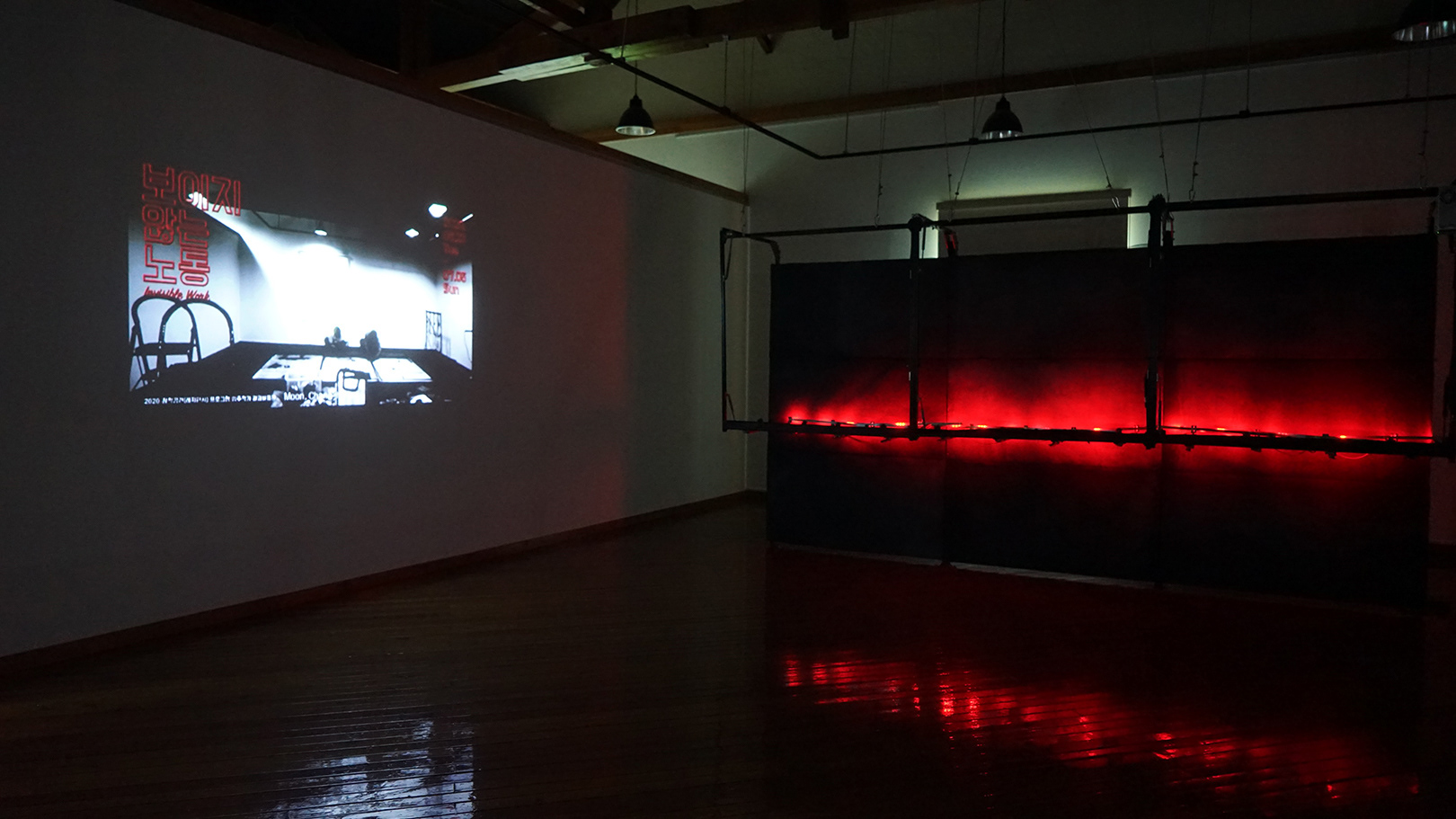
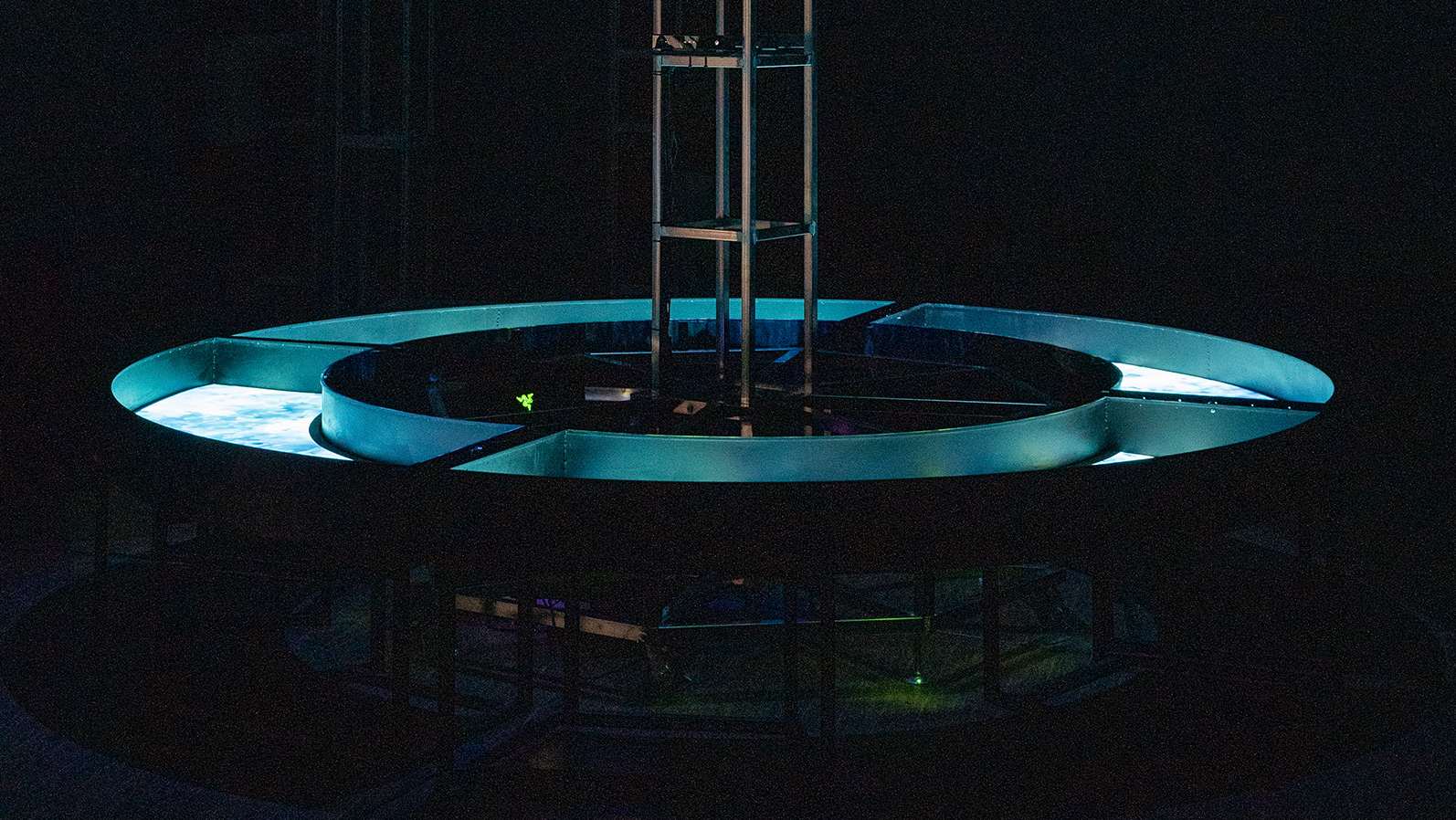
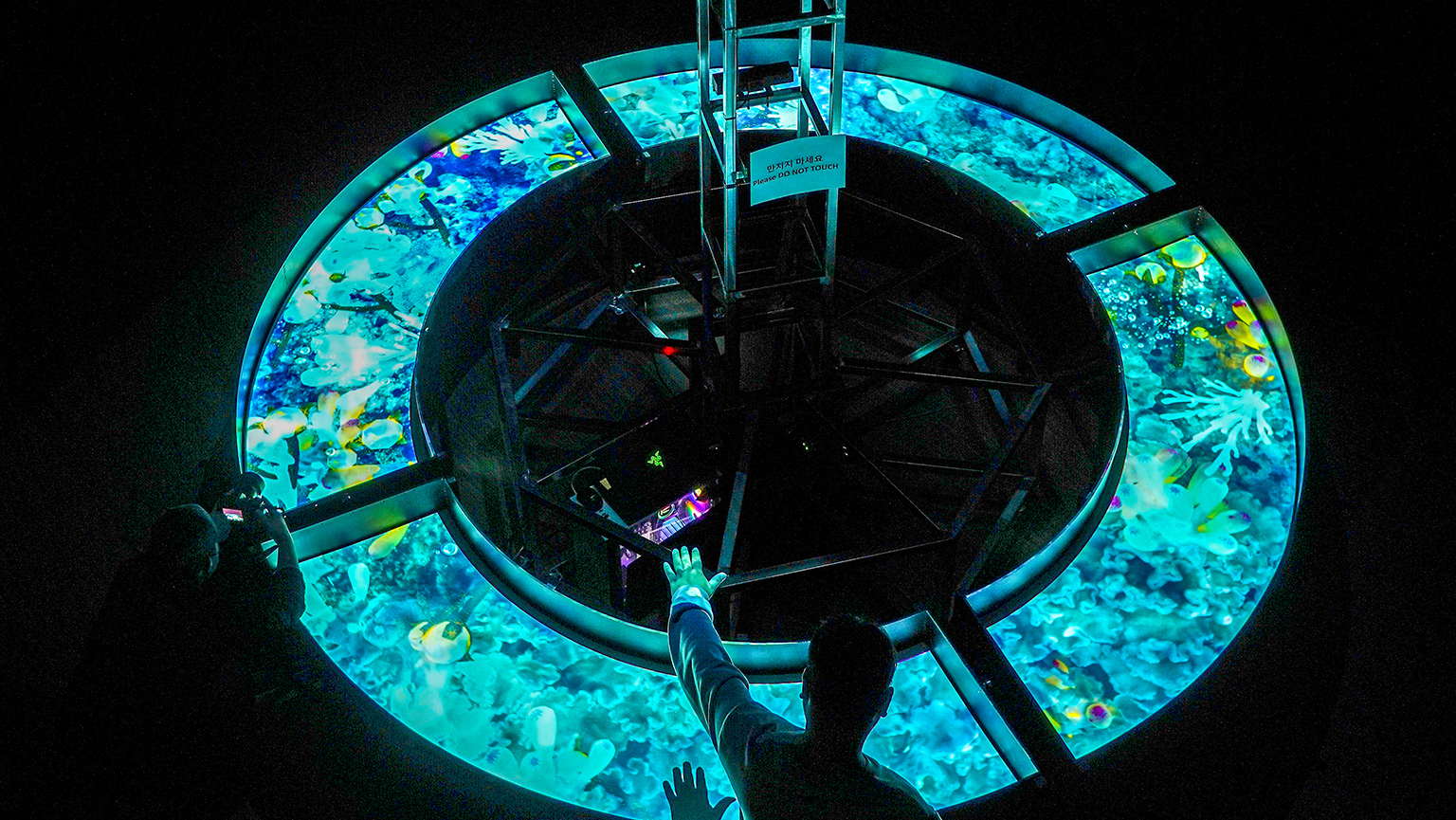
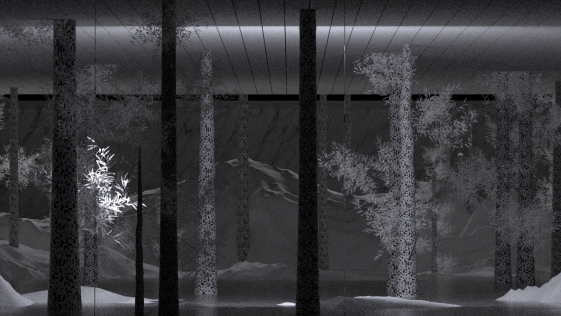
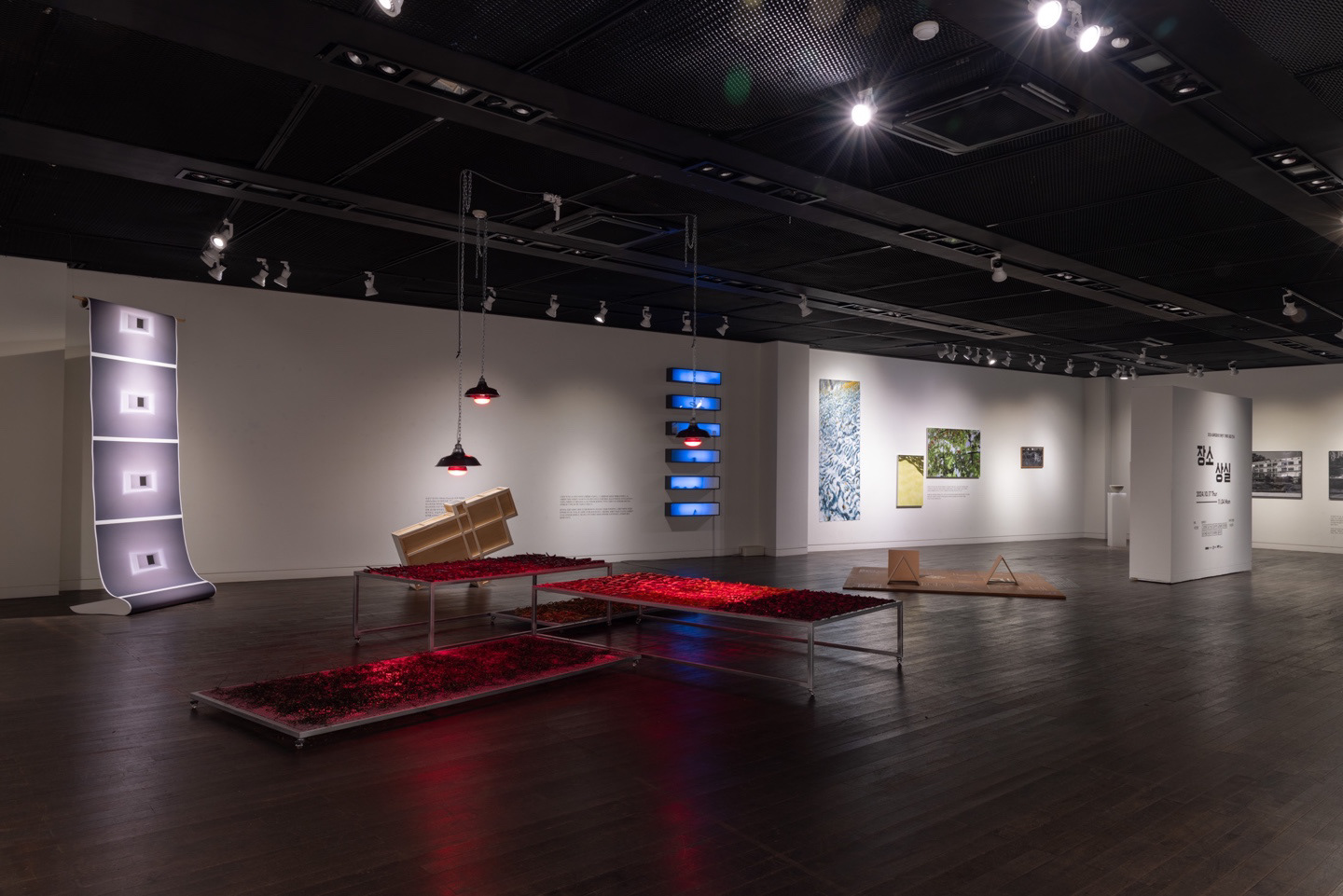
Exhibition view at Chung-Buk Gallery in insaartcenter
Exhibition view at Chung-Buk Gallery in insaartcenter
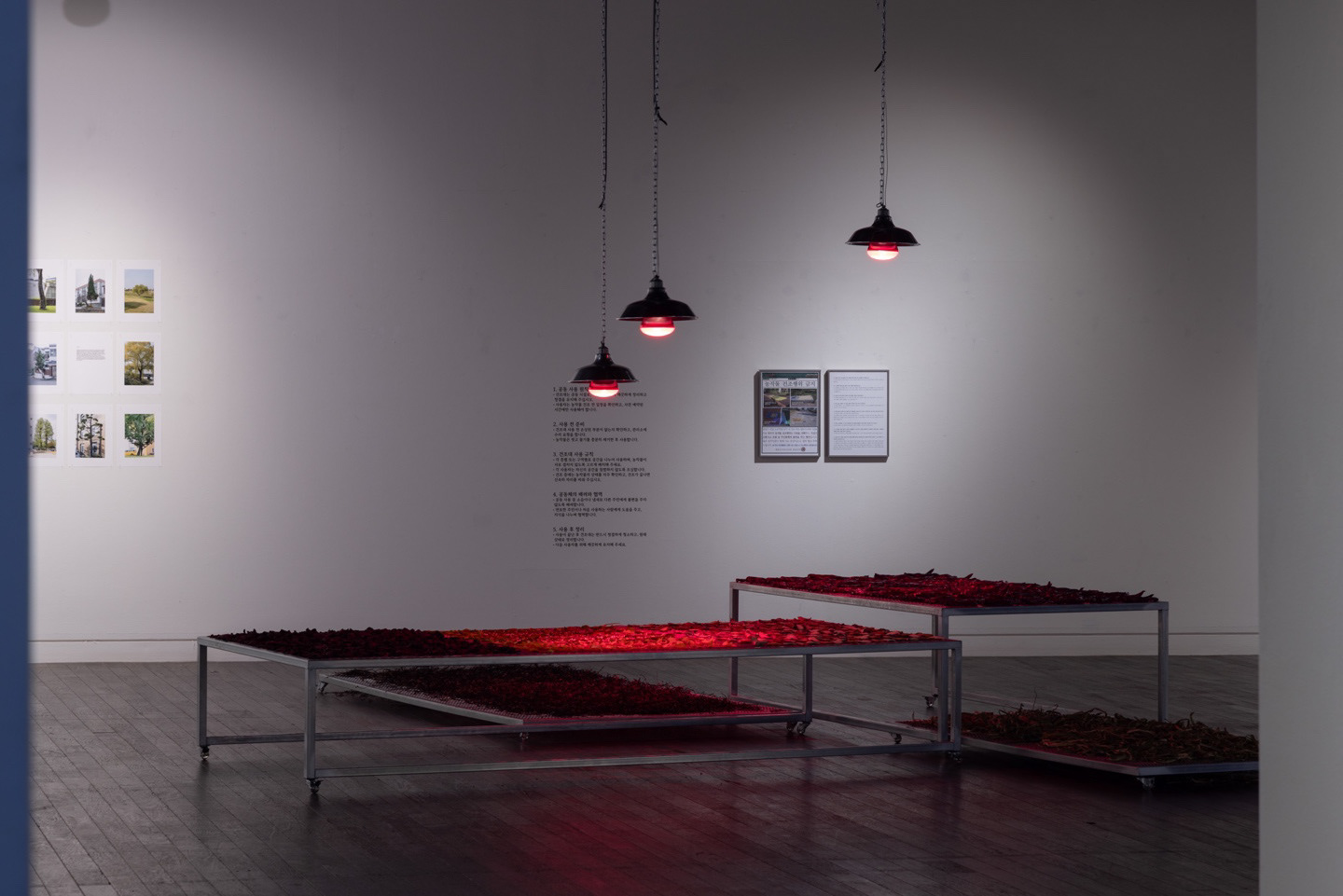
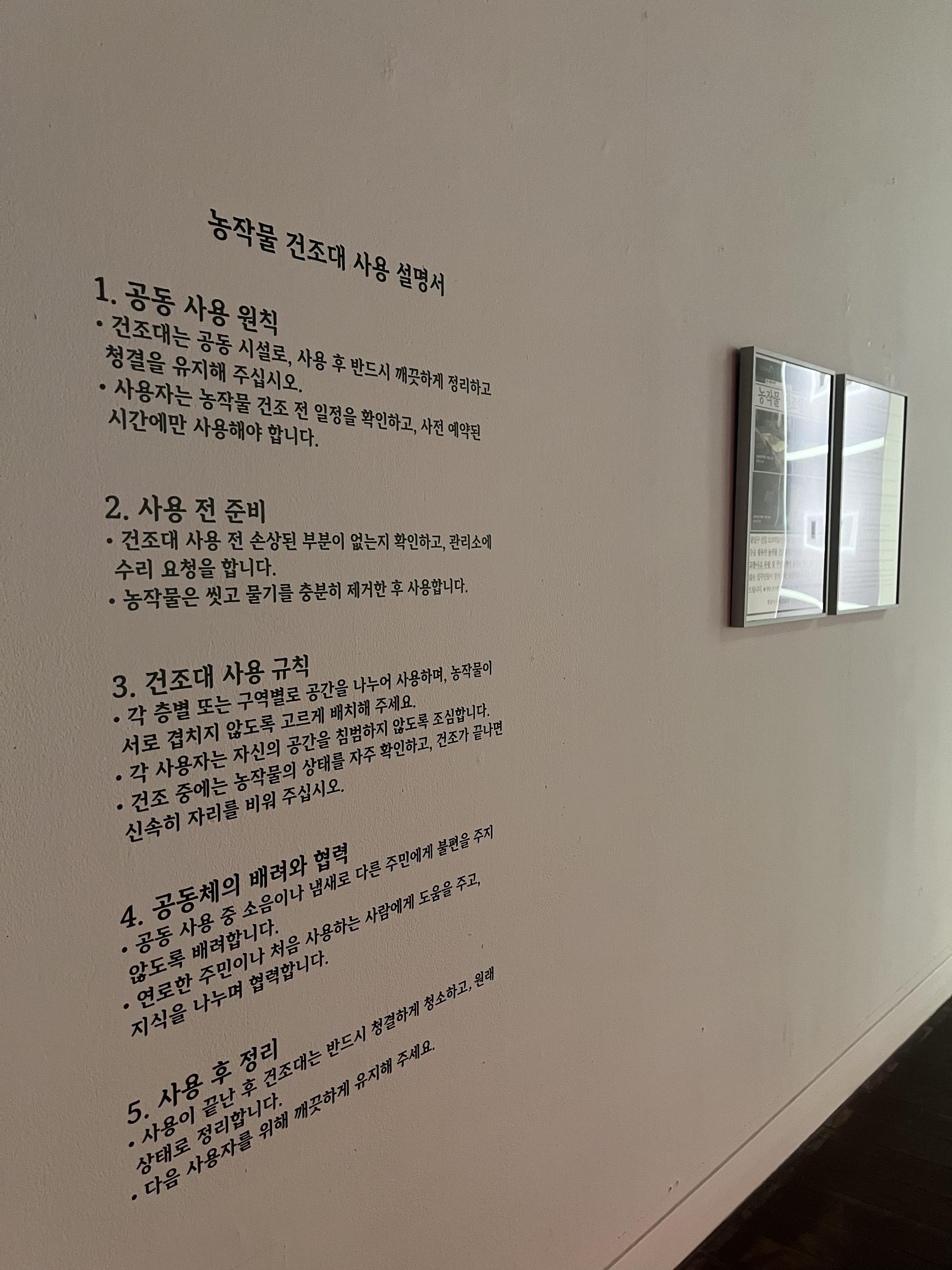
아파트 단지 내 농작물 건조 금지 포스터를 보고 시작된 작업은, 세대 간 생활 방식의 차이에서 비롯된 갈등을 시각적으로 풀어내고자 한 시도다. 주택가에서 흔한 농작물 건조 행위는 아파트로 이주하면서 공용 공간에서 금지되었고, 이는 세대 간 갈등을 드러내는 사례로 작용한다. 젊은 세대는 미관과 위생 문제를, 노년층은 생활 방식의 상실을 경험하며, 이 과정에서 조화와 이해는 어떻게 형성될 수 있을지 질문을 던진다.
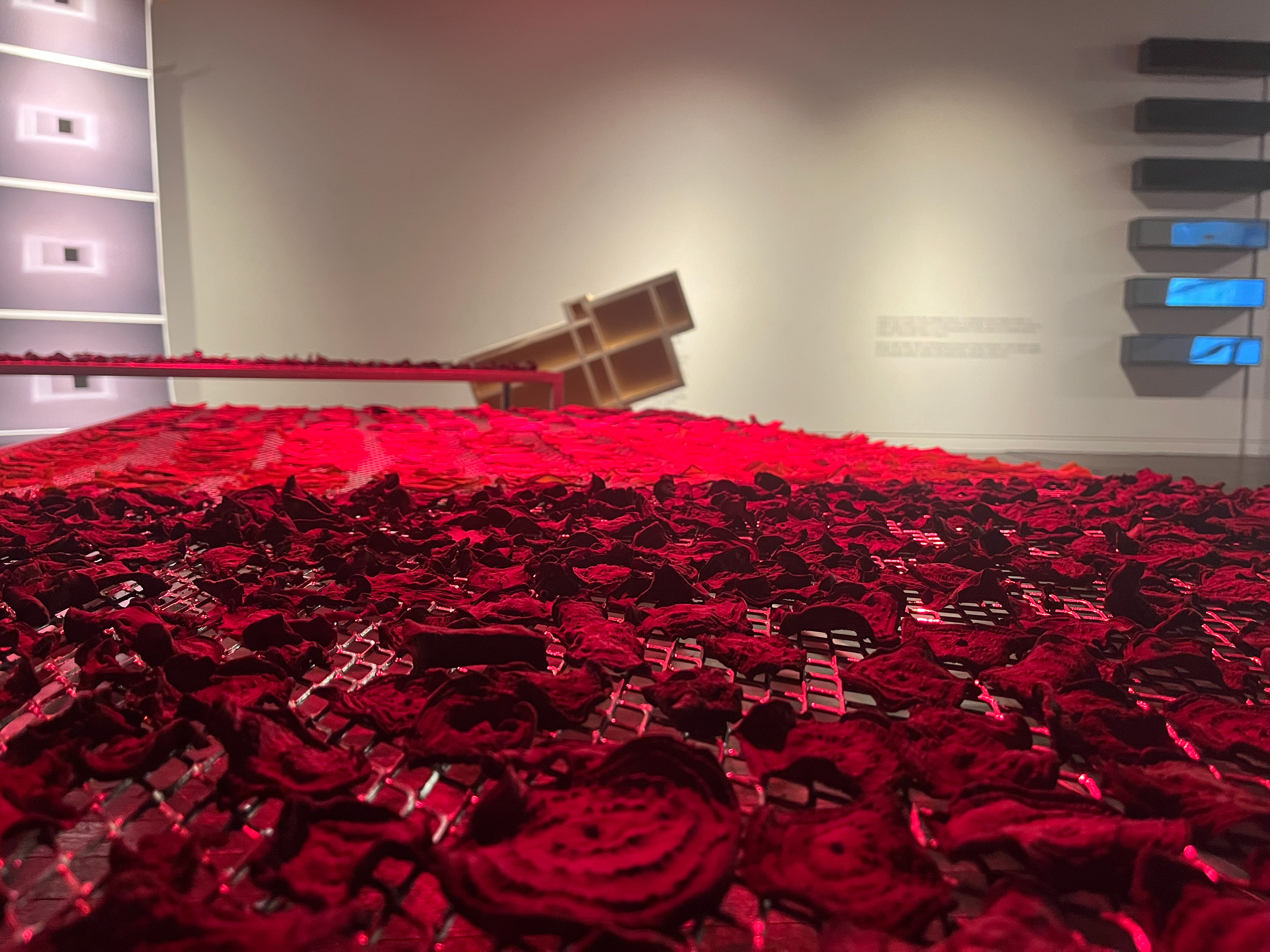
작품에 배치된 고추, 비트, 고사리, 고구마, 시래기와 같은 농작물은 과거의 생활 방식을 상징하며, 단순히 갈등을 표현하는 것을 넘어 예술이 이를 해결할 수 있는 가능성을 탐구한다. 이 건조대는 전시가 끝난 후 아파트 측과 협의된 단지 내에 설치 사용되고 있으며, 물리적 공간을 넘어 세대 간 소통의 장이 되기를 바라는 염원을 담고 있다.
The project began with an encounter: a notice posted within an apartment complex prohibiting the drying of agricultural produce. This seemingly minor regulation became a point of departure for examining generational conflict rooted in differing ways of living. Practices that were once common in detached housing—such as drying crops in outdoor spaces—are restricted within shared apartment environments, revealing tensions between generations. Younger residents often cite concerns over aesthetics and hygiene, while older residents experience a sense of loss tied to the disappearance of familiar daily practices. Within this friction, the work raises questions about how understanding and coexistence might be formed.
The agricultural materials arranged within the installation—such as chili peppers, beets, bracken, sweet potatoes, and dried radish leaves—symbolize past modes of living. Rather than merely representing conflict, the work explores the potential role of art as a mediator. The drying structure was not conceived solely as an exhibition object; following the exhibition, it has been installed and used within the apartment complex through agreement with residents and management. Extending beyond a physical structure, the work aspires to function as a shared platform for dialogue, fostering communication and mutual recognition across generations.